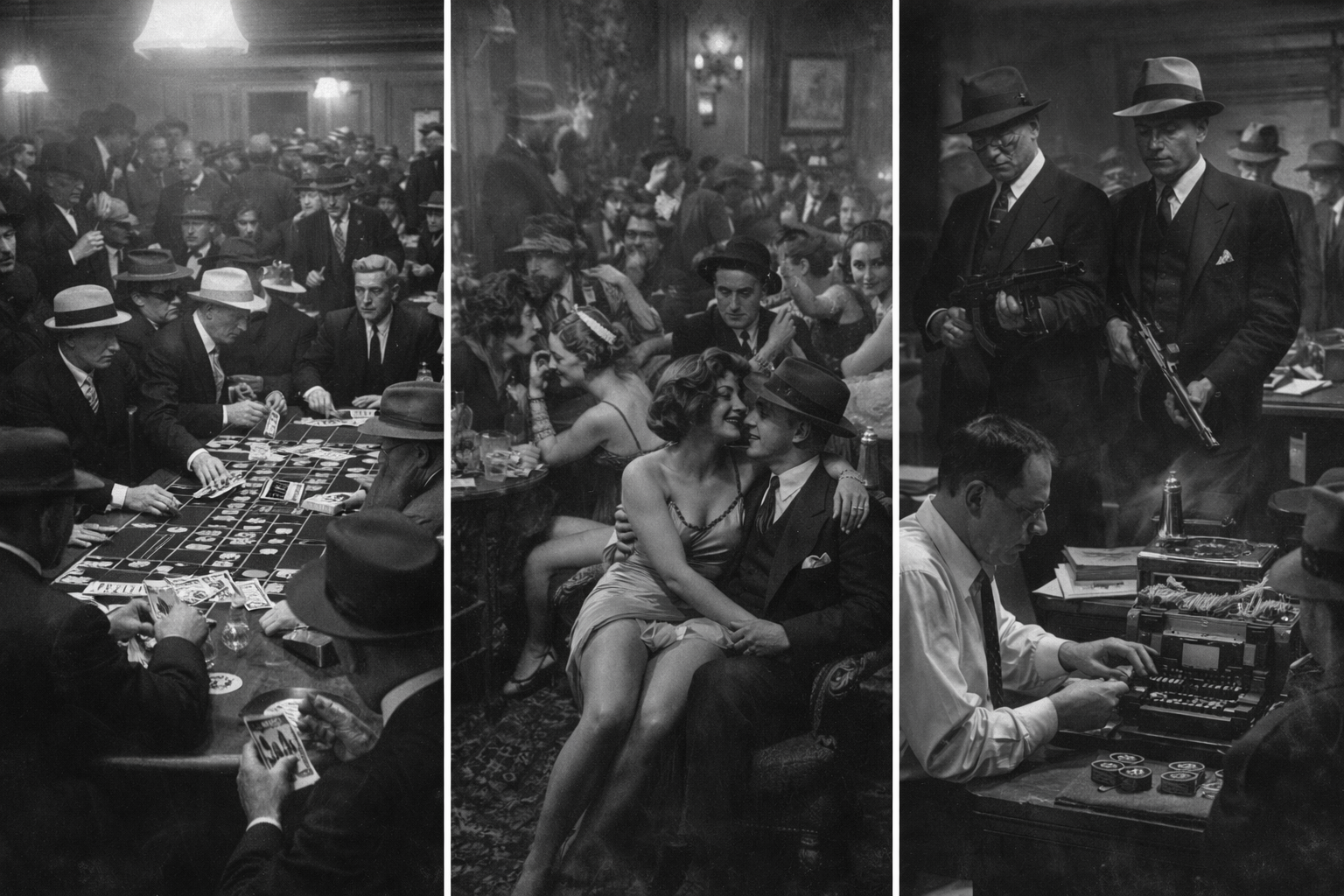
New York City has always been a place of powerful mythology. Its nicknames and slogans—splashed across postcards, Broadway marquees, tourism campaigns, and pop culture—paint an image of ambition, glamour, and endless opportunity. But beneath these famous phrases lies a deeper and often darker history. Many of the city’s most recognizable nicknames were born from crime, corruption, poverty, or satire rather than civic pride.
From the criminal underworld of the Tenderloin to the satirical origins of Gotham, these phrases reveal a side of New York that is rarely discussed but deeply woven into the city’s story.
THE BIG APPLE
Today, “The Big Apple” is synonymous with New York City’s grandeur and opportunity. The phrase evokes the idea that the city is the ultimate prize—the biggest success anyone can achieve.
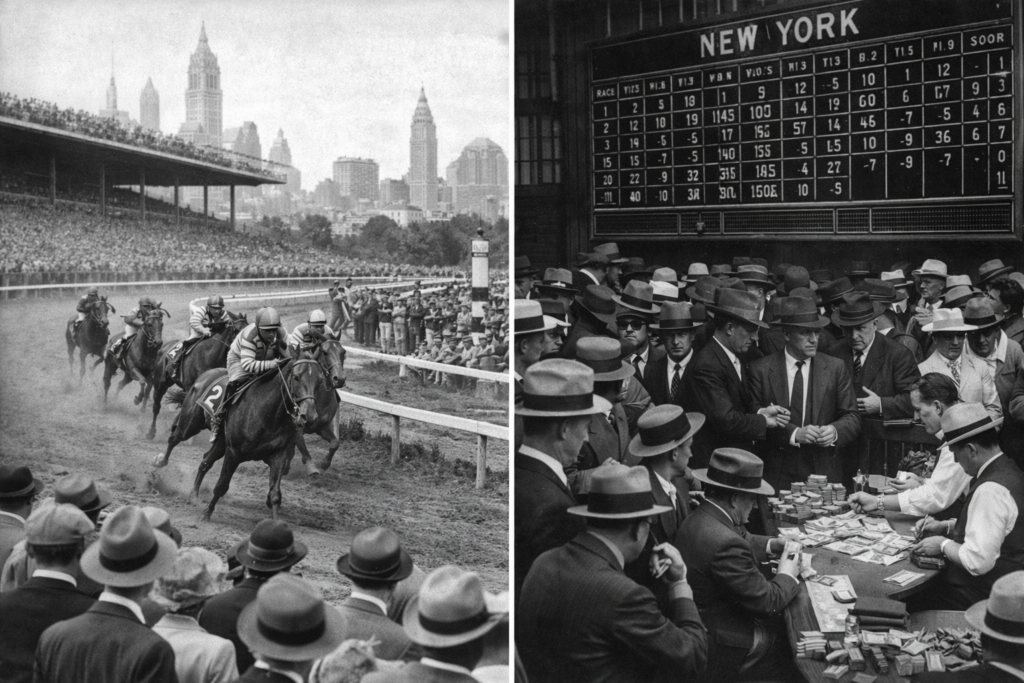
However, the origin of the nickname comes from a very different world: horse racing and gambling in the 1920s.
Sports writer John J. Fitz Gerald of the New York Morning Telegraph popularized the term after hearing African American stable hands in New Orleans refer to New York’s racetracks as “the big apple.” To them, the city represented the biggest purse in horse racing. Winning in New York meant hitting the jackpot.
The phrase was tied closely to gambling culture, racetrack hustlers, and the underground betting economy of the early 20th century. It wasn’t until the 1970s—when New York was struggling with crime and financial collapse—that the city adopted the nickname officially in a tourism campaign to help reshape its image.
What began as racetrack slang rooted in gambling eventually became the world’s most famous nickname for a city.
IF YOU CAN MAKE IT THERE, YOU’LL MAKE IT ANYWHERE
This line from the song “New York, New York,” made famous by Frank Sinatra, is often interpreted as a triumphant celebration of ambition.
But the sentiment reflects a far harsher truth about New York’s history.
For more than a century, New York was one of the most brutally competitive cities in the world. Immigrants arriving through Ellis Island in the late 19th and early 20th centuries faced overcrowded tenements, dangerous factory work, and extreme poverty. Entire families worked in sweatshops for survival.
The phrase essentially acknowledges that New York was so unforgiving that success there meant you could survive anywhere.
In other words, the slogan isn’t just inspirational—it’s a reminder of how brutally difficult life in the city once was.
THE CITY THAT NEVER SLEEPS
The idea that New York is “The City That Never Sleeps” conjures images of bright lights, bustling restaurants, and late-night excitement.
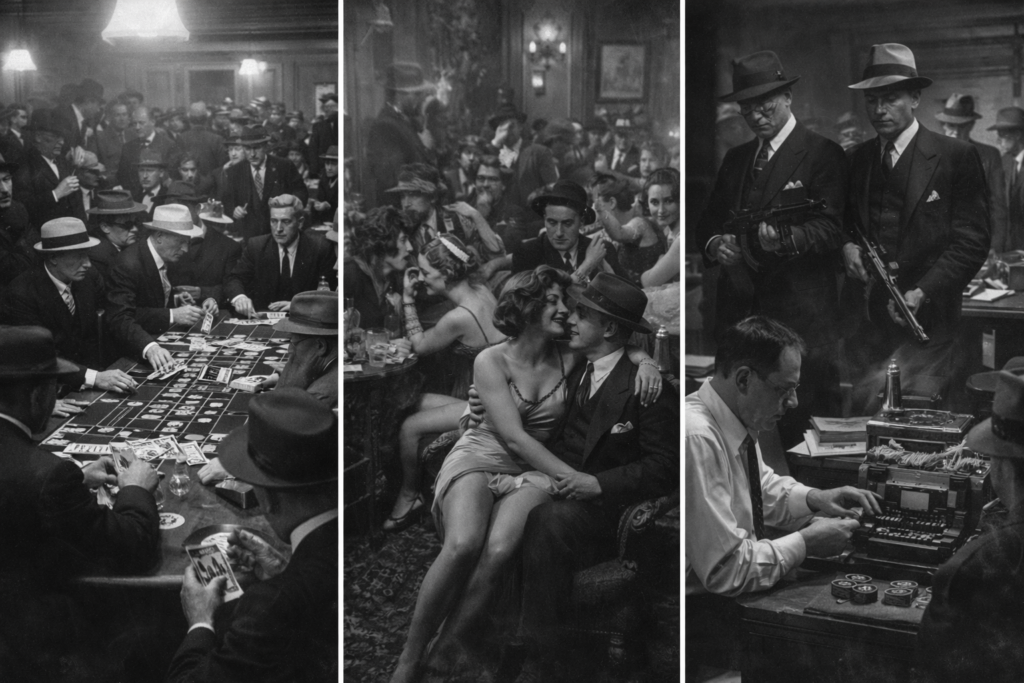
But historically, the nickname was tied just as much to crime and nightlife as it was to entertainment.
In the late 19th and early 20th centuries, New York’s nightlife districts were filled with:
- Illegal gambling dens
- Prostitution houses
- Speakeasies during Prohibition
- Organized crime operations
Neighborhoods like Times Square, Bowery, and the Tenderloin district operated around the clock. Police corruption often allowed vice industries to flourish overnight.
The city literally never slept—not because of nightlife culture alone, but because criminal activity and underground economies operated 24 hours a day.
THE TENDERLOIN
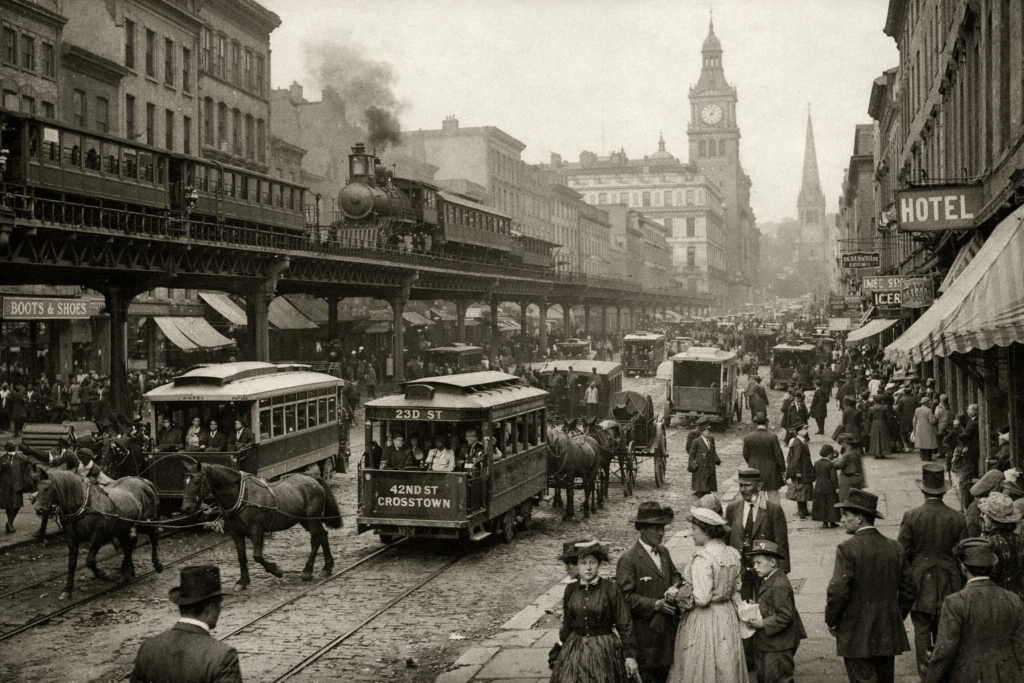
One of New York’s most infamous historical nicknames comes from a district that once sat between 23rd and 42nd Streets.
The area became known as “The Tenderloin” in the 1880s when police captain Alexander “Clubber” Williams was transferred to the precinct.
According to legend, Williams reportedly said:
“I’ve been eating chuck steak for a long time, and now I’m going to get a little of the tenderloin.”
What he meant was clear: the district was rich with bribes and corruption.
The Tenderloin became one of the most notorious vice districts in America, filled with:
- Gambling halls
- Brothels
- Opium dens
- Political corruption tied to Tammany Hall
The name itself was essentially a joke about police officers profiting from illegal activity.
I LOVE NEW YORK
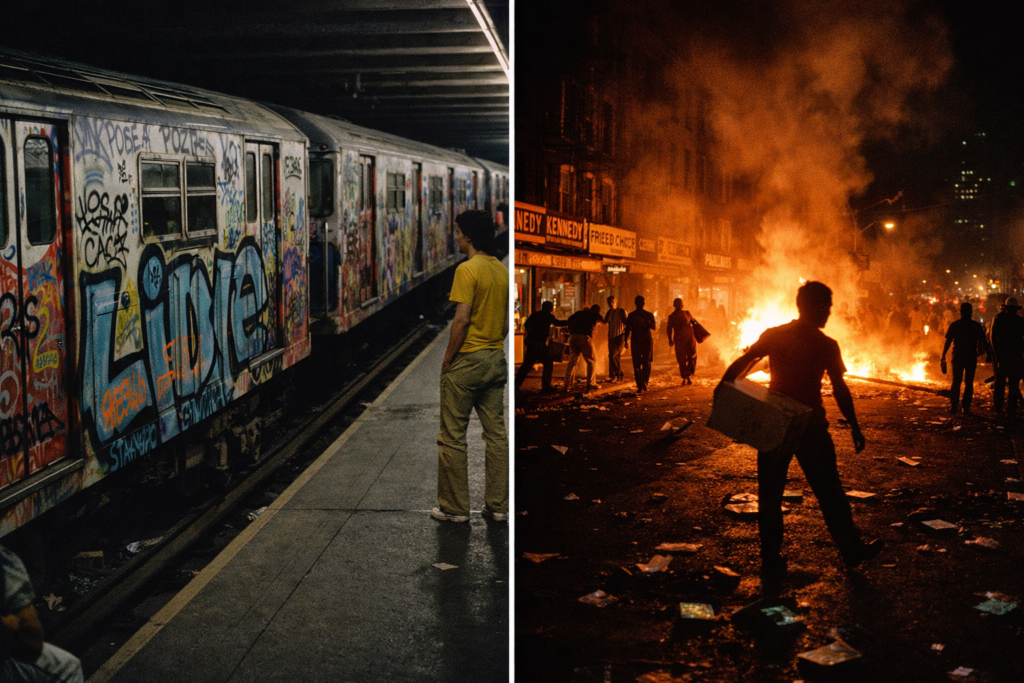
Few slogans are more beloved than “I Love New York.”
The logo—designed by graphic designer Milton Glaser in 1977—became one of the most successful tourism campaigns in history.
But the slogan was born during one of the darkest periods in New York City’s history.
In the 1970s, the city was on the brink of financial collapse. Crime rates were soaring, subway graffiti covered entire trains, and the infamous 1977 blackout led to widespread looting.
Tourism had collapsed. Many people across the country viewed New York as dangerous and unlivable.
The I Love New York campaign was created as an emergency effort to repair the city’s reputation. What appears to be a cheerful slogan today was actually part of a desperate attempt to revive a city many believed was dying.
GOTHAM
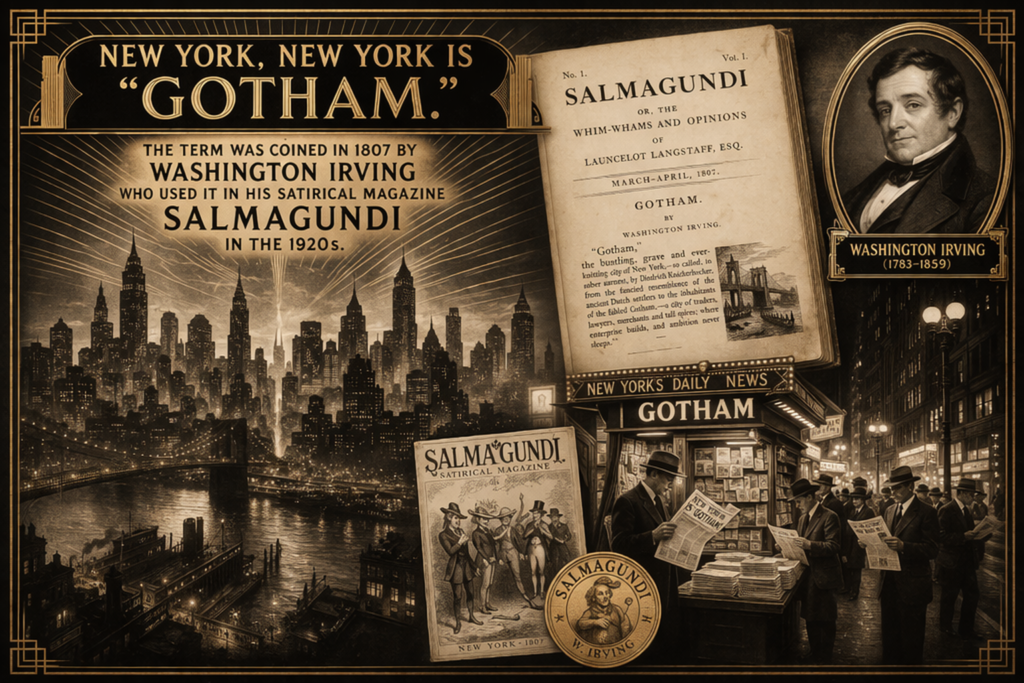
Perhaps the most mysterious nickname for New York is “Gotham.”
The term was coined in 1807 by writer Washington Irving, who used it in his satirical magazine Salmagundi.
Irving borrowed the name from an English folk tale about a village called Gotham whose residents pretended to be insane in order to avoid the taxes and demands of a visiting king.
By calling New York “Gotham,” Irving was essentially mocking the city and its politicians, suggesting it was a place full of fools and absurd behavior.
Over time the nickname stuck—and eventually inspired the fictional Gotham City, home of Batman.
Ironically, a name originally meant as satire became one of the city’s most enduring identities.
A City Built on Reinvention
New York has always had the ability to transform its darkest moments into powerful symbols.
Nicknames that once referenced gambling, corruption, poverty, and satire have been reinvented into emblems of ambition, resilience, and opportunity.
That transformation is part of what makes New York unique. The city constantly rewrites its own story.
And perhaps that’s why these slogans endure—because behind every polished phrase lies a complicated history that mirrors New York itself: gritty, flawed, and endlessly fascinating.